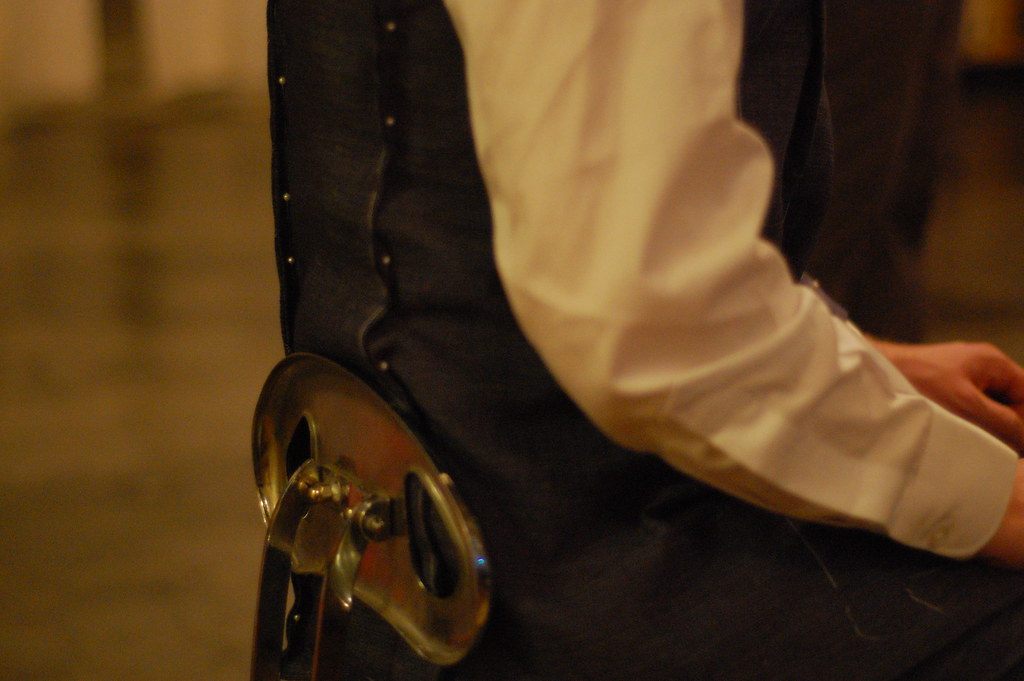
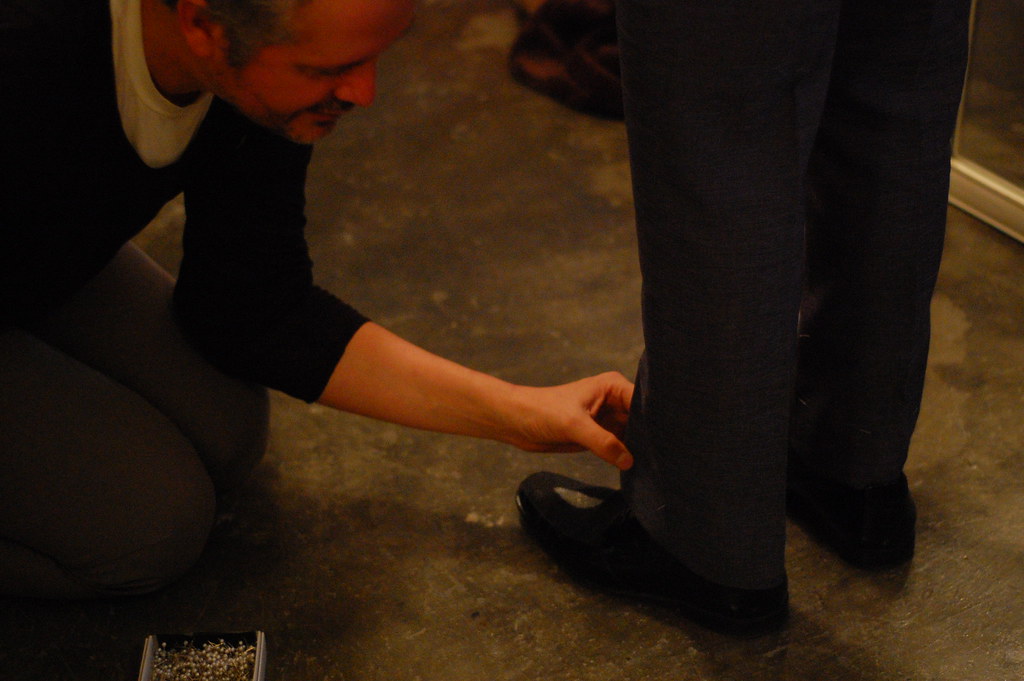
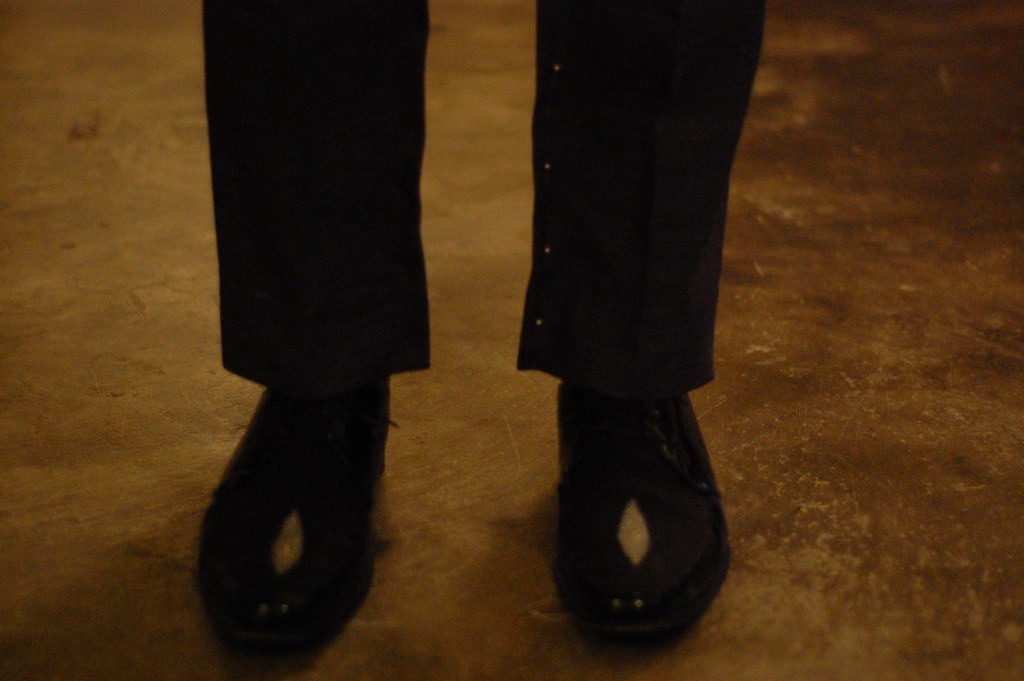
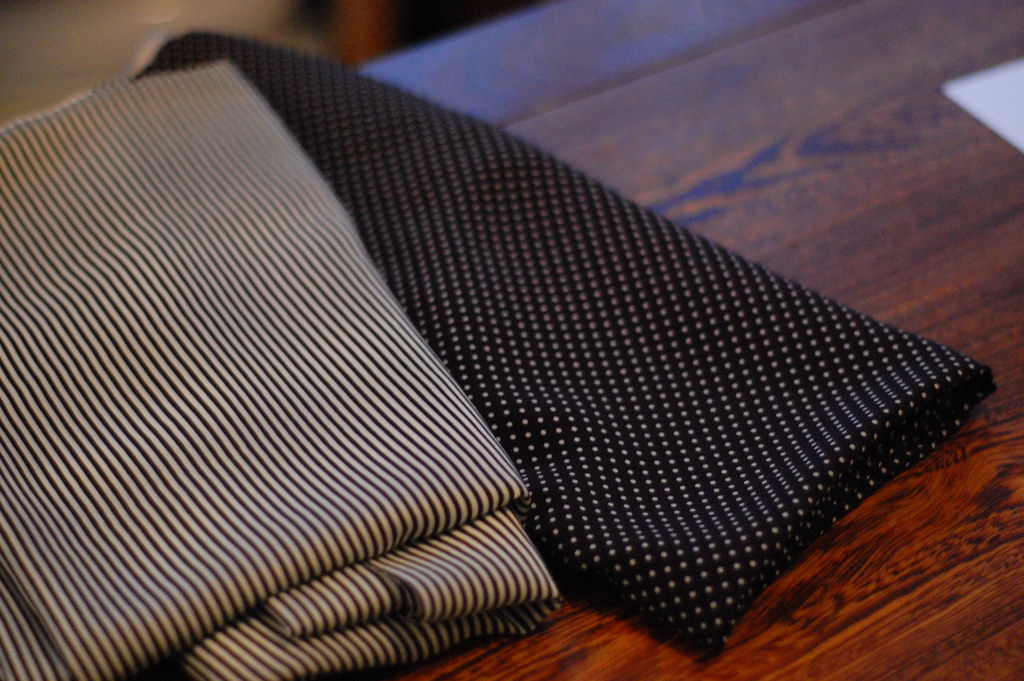
Back in May we discovered a new menswear brand whose design ethos and approach to retail struck a chord with us. As Steve was enjoying his guiltiest of pleasures, lying in a bubble bath whilst listening to the Monocle Weekly he learned about Hentsch Man. After hearing about the labels first pop up store venture we have followed the progress. Fast forward a few months and Hentsch Man is currently enjoying its second pop up venture which is open until 23rd December.
As mentioned in the previous post, the brand evolved from a seemingly simple search (in theory not practice) for the perfect white shirt. The two friends (Max and Alexia) set about designing their perfect shirt and when they felt they got it right, they placed a small order. After the shirts were soon snapped up by friends and family, the duo set about expanding their offering without compromising their core values of simplicity and function. Over the last year, the pair have added trousers, boxer shorts, footwear and luggage to create a more complete menswear collection. The collection has now found it's second temporary home in Princes Arcade off Jermyn Street. To celebrate we caught up with Alexia Hentsch and explored the new space and the evolving Hentsch Man offering...
As mentioned in the previous post, the brand evolved from a seemingly simple search (in theory not practice) for the perfect white shirt. The two friends (Max and Alexia) set about designing their perfect shirt and when they felt they got it right, they placed a small order. After the shirts were soon snapped up by friends and family, the duo set about expanding their offering without compromising their core values of simplicity and function. Over the last year, the pair have added trousers, boxer shorts, footwear and luggage to create a more complete menswear collection. The collection has now found it's second temporary home in Princes Arcade off Jermyn Street. To celebrate we caught up with Alexia Hentsch and explored the new space and the evolving Hentsch Man offering...
 The pop up store sign complete with festive decoration.
SS: Hentsch Man evolved from the seemingly simple search for the perfect white shirt. How did the quest for this wardrobe staple evolve in to the brand we see today?
Alexia Hentsch: Well, we started out thinking about our perfect white shirt and once we had made about three hundred we sold it to family and friends, soon selling out . As I come from a branding background we made a whole brand book and catalogue and all sorts of things to go with it which talked about a brand which really didn't exist yet. We got a little carried away and stated taking this brand book to everyone, places like Bergdorf, Harvey Nichols and all these people and they were really impressed with the idea but the product was lacking, we needed more than white shirts. So we went away for a year and came back with a full collection. We realised fairly early on that we didn't want to just sell white shirts. Now every season we add a new piece or a few garments. So first we had shirts, then moved on to trousers, jackets, sweaters and shorts...adding items as we go grow.
SS: As well as your own collection, you offer pieces picked up from your travels...
Alexia Hentsch: Yes we do, when we started developing the brand we found amazing products which exist and have been around for a long time and are products we really like. Rather than imitate them we acquired them to create the Hentsch Man look. Things like the Mediterranean espadrilles for the summer, Venetian velvet slippers, the sneakers...we try and have a new sneaker pick, hats, bags, so many things that we really like which exist already.
Alexia Hentsch: Well, we started out thinking about our perfect white shirt and once we had made about three hundred we sold it to family and friends, soon selling out . As I come from a branding background we made a whole brand book and catalogue and all sorts of things to go with it which talked about a brand which really didn't exist yet. We got a little carried away and stated taking this brand book to everyone, places like Bergdorf, Harvey Nichols and all these people and they were really impressed with the idea but the product was lacking, we needed more than white shirts. So we went away for a year and came back with a full collection. We realised fairly early on that we didn't want to just sell white shirts. Now every season we add a new piece or a few garments. So first we had shirts, then moved on to trousers, jackets, sweaters and shorts...adding items as we go grow.
SS: As well as your own collection, you offer pieces picked up from your travels...
Alexia Hentsch: Yes we do, when we started developing the brand we found amazing products which exist and have been around for a long time and are products we really like. Rather than imitate them we acquired them to create the Hentsch Man look. Things like the Mediterranean espadrilles for the summer, Venetian velvet slippers, the sneakers...we try and have a new sneaker pick, hats, bags, so many things that we really like which exist already.
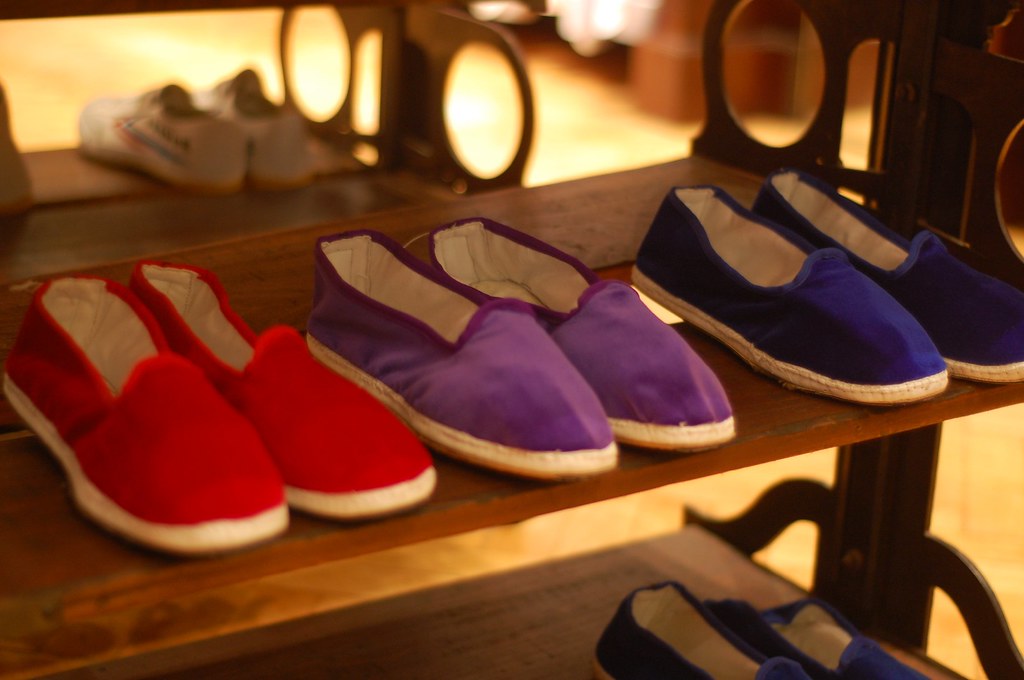 Furlane slippers and espadrilles
SS: Your values can be seen in the quality of our materials and production. How easy was it easy sourcing such quality mills, factories and skilled craftsman from across Europe?
Alexia Hentsch: Well finding them is pretty easy actually because there is such a manufacturing history in Europe and the industry still exists but it is just more expensive. Finding them is easy but sustaining it is hard. As we grow it gets more difficult. We are still in Europe and only in Europe which is great but I understand why luxury products cost what they do and why some brands choose to make things in China as it means they can increase volumes. In terms of local manufacturing we have quite a few funny stories, for example when it comes to our Venetian slippers we are working with a guy who produces them from his kitchen. So we can't bombard someone like that with huge orders in limited time lines and instead he's like 'I will deliver them when they are ready' so you can't really place orders with him and when it comes to colours he gives us what he have. The production can be unreliable but it is part of the charm as well. It is these types of pieces which can really accent our own collections and it is something we can use for our pop up ventures.
SS: A key element of the brand is this idea of building a gentleman's wardrobe and this is mirrored by the development of the brand...
Alexia Hentsch: Yes, exactly! I keep using this phrase which my business partner Max hates because he thinks its cheap but I like to use it anyway...we are trying to build a one stop shop for men to shop. A store for men who we think don't particularly like to shop and one which caters for all of their wardrobe needs. Obviously this will be for a particular look but we can dress them head to toe.
Alexia Hentsch: Well finding them is pretty easy actually because there is such a manufacturing history in Europe and the industry still exists but it is just more expensive. Finding them is easy but sustaining it is hard. As we grow it gets more difficult. We are still in Europe and only in Europe which is great but I understand why luxury products cost what they do and why some brands choose to make things in China as it means they can increase volumes. In terms of local manufacturing we have quite a few funny stories, for example when it comes to our Venetian slippers we are working with a guy who produces them from his kitchen. So we can't bombard someone like that with huge orders in limited time lines and instead he's like 'I will deliver them when they are ready' so you can't really place orders with him and when it comes to colours he gives us what he have. The production can be unreliable but it is part of the charm as well. It is these types of pieces which can really accent our own collections and it is something we can use for our pop up ventures.
SS: A key element of the brand is this idea of building a gentleman's wardrobe and this is mirrored by the development of the brand...
Alexia Hentsch: Yes, exactly! I keep using this phrase which my business partner Max hates because he thinks its cheap but I like to use it anyway...we are trying to build a one stop shop for men to shop. A store for men who we think don't particularly like to shop and one which caters for all of their wardrobe needs. Obviously this will be for a particular look but we can dress them head to toe.
 A colourful felt trilby.
SS: The pop up stores can be great in the sense that these men can come in and try on styles and then moving forward they know their size and can order online.
Alexia Hentsch: Yes and even though each season where we add new styles and cuts, we always keep the old ones as well as we build our inventory. So if you know your size in your favourite Jack shirt or trousers you can always go back and find them and they will always be there. We really want to build our offering along with our customer network.
SS: Is there a typical Hentsch Man?
Alexia Hentsch: Certainly. Although there is a whole crew of Monocle-ites, thanks to the two radio shows, and you can see them as soon as they walk through the door. You can tell that those guys have recently listened to the podcast and have visited us accordingly. Those guys tend to buy a lot of the more simpler stuff, like our white shirts and our simpler cut stuff. Then you get a bunch of more eccentric, dapper guys who love nothing more than a pair of pistachio pants. There are some older gentleman who love wearing our brighter colours and we love catering for them. It also depends upon where we are positioned. When we were in Notting Hill originally we had quite a younger, creative crew of guys, whereas now because of the footfall we get many more gentlemen.
Alexia Hentsch: Yes and even though each season where we add new styles and cuts, we always keep the old ones as well as we build our inventory. So if you know your size in your favourite Jack shirt or trousers you can always go back and find them and they will always be there. We really want to build our offering along with our customer network.
SS: Is there a typical Hentsch Man?
Alexia Hentsch: Certainly. Although there is a whole crew of Monocle-ites, thanks to the two radio shows, and you can see them as soon as they walk through the door. You can tell that those guys have recently listened to the podcast and have visited us accordingly. Those guys tend to buy a lot of the more simpler stuff, like our white shirts and our simpler cut stuff. Then you get a bunch of more eccentric, dapper guys who love nothing more than a pair of pistachio pants. There are some older gentleman who love wearing our brighter colours and we love catering for them. It also depends upon where we are positioned. When we were in Notting Hill originally we had quite a younger, creative crew of guys, whereas now because of the footfall we get many more gentlemen.
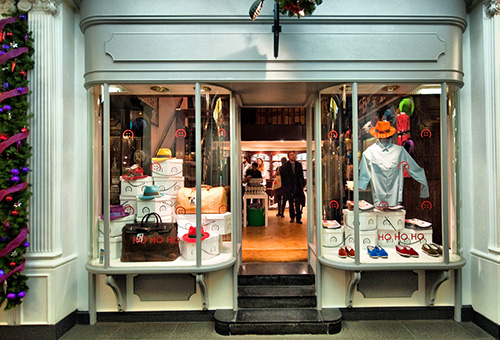 The new store front in Princes Arcade.
 SS: How have the two pop up store ventures compared?
Alexia Hentsch: It has been quite different. Obviously the foot fall is a lot better here but it is the Christmas season so it is difficult to tell as there is just a huge consuming element right now. This one has been great though because we are open twice as long. Weekends were a lot busier in the Notting Hill store whereas here, weekends are so much quieter and weekdays are really busy. It is a different vibe here, a little more serious although we've had a couple of really fun, busy events. I think I'd prefer to go back to a slightly more trendy area, we might not do as much business as such but we would be in the right place for attracting the right customer base. At the moment we are seeing older men who might love our trousers but they might not be as interested in our brand. Ultimately, we are going to be targeting a younger, working guy.
SS: When you started the brand did you envisage having a physical store or have you just taken advantage of the current retail landscape?
Alexia Hentsch: It really wasn't part of our idea at all, we were originally purely focused on online and then try wholesale. I actually read an article by Tyler in Monocle (The Retail Issue) in which he discussed how retail was suffering and how councils should fund small shop owners to keep spaces alive. I thought that this was a really great idea so I contacted a council and they obviously told me 'no' but it did make me think. I then dealt with it by finding the right space. So one day it was just a good idea and the next it was a reality but we never thought that is where we would be. Now we are thinking we'd like our own physical store. We think we'll do another pop up store for an additional season or two and then we'd like to be rooted. It would be great to have a permanent space which we can use as our office and showroom, store front. At the moment though as the line develops, the pop up stores are great because they allow us to make some noise and do something exciting.
Alexia Hentsch: It has been quite different. Obviously the foot fall is a lot better here but it is the Christmas season so it is difficult to tell as there is just a huge consuming element right now. This one has been great though because we are open twice as long. Weekends were a lot busier in the Notting Hill store whereas here, weekends are so much quieter and weekdays are really busy. It is a different vibe here, a little more serious although we've had a couple of really fun, busy events. I think I'd prefer to go back to a slightly more trendy area, we might not do as much business as such but we would be in the right place for attracting the right customer base. At the moment we are seeing older men who might love our trousers but they might not be as interested in our brand. Ultimately, we are going to be targeting a younger, working guy.
SS: When you started the brand did you envisage having a physical store or have you just taken advantage of the current retail landscape?
Alexia Hentsch: It really wasn't part of our idea at all, we were originally purely focused on online and then try wholesale. I actually read an article by Tyler in Monocle (The Retail Issue) in which he discussed how retail was suffering and how councils should fund small shop owners to keep spaces alive. I thought that this was a really great idea so I contacted a council and they obviously told me 'no' but it did make me think. I then dealt with it by finding the right space. So one day it was just a good idea and the next it was a reality but we never thought that is where we would be. Now we are thinking we'd like our own physical store. We think we'll do another pop up store for an additional season or two and then we'd like to be rooted. It would be great to have a permanent space which we can use as our office and showroom, store front. At the moment though as the line develops, the pop up stores are great because they allow us to make some noise and do something exciting.
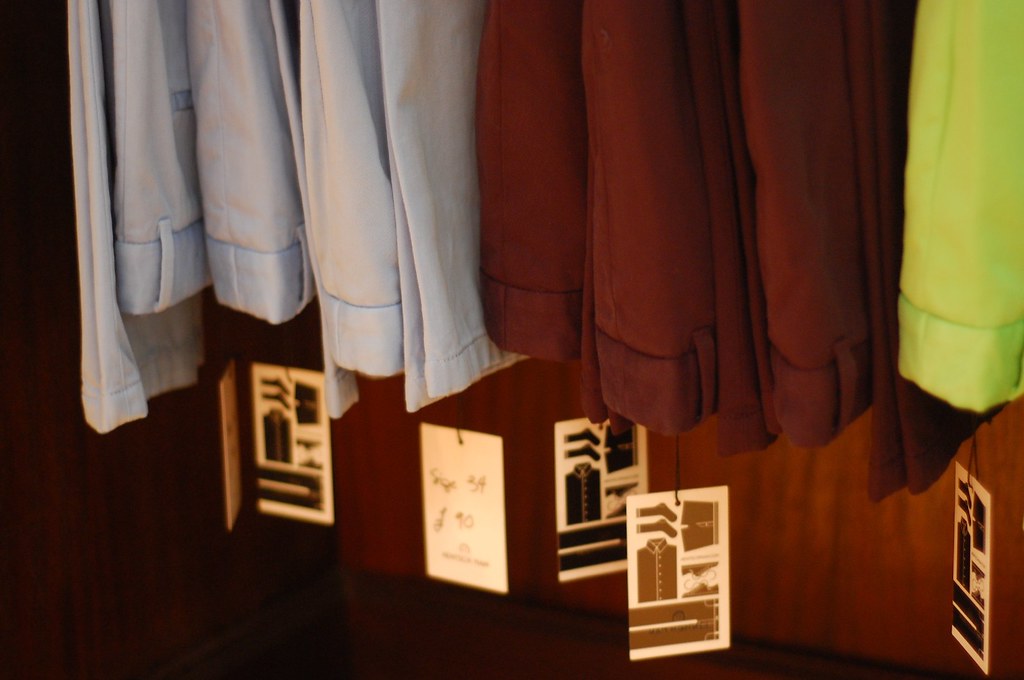 A selection of colourful Joe trousers.
SS: The white shirt was the thing you designed for Hentsch Man but what was the last?
Alexia Hentsch: Just now we have only recently finished designing a sports jacket to be sampled for AW10. This is currently being made for now actually, I've not seen the finished sample yet. We are also designing sweaters but I'm not 100% happy with them. So this is what we have going on for AW10 but we have shorts for SS10 which is really exciting because we didn't have them last summer. Plus we have five new shirts in addition to the original Jack which is really exciting.
SS: How does the design dynamic work, do you work alongside Max?
Alexia Hentsch: I work on the designs alongside a pattern cutter and I do a lot of the research. I'm inspired by older fashion, especially from the 50s and 60s and then I get together with a pattern cutter and we have a play around with samples until we get something we like. We really want the direction of the brand to be simple, not to be over designed, just a simple cut with quality fabrics. So it is really more of a research process as opposed to a design one. The search for the fabrics is the most time consuming aspect of it all.
Alexia Hentsch: Just now we have only recently finished designing a sports jacket to be sampled for AW10. This is currently being made for now actually, I've not seen the finished sample yet. We are also designing sweaters but I'm not 100% happy with them. So this is what we have going on for AW10 but we have shorts for SS10 which is really exciting because we didn't have them last summer. Plus we have five new shirts in addition to the original Jack which is really exciting.
SS: How does the design dynamic work, do you work alongside Max?
Alexia Hentsch: I work on the designs alongside a pattern cutter and I do a lot of the research. I'm inspired by older fashion, especially from the 50s and 60s and then I get together with a pattern cutter and we have a play around with samples until we get something we like. We really want the direction of the brand to be simple, not to be over designed, just a simple cut with quality fabrics. So it is really more of a research process as opposed to a design one. The search for the fabrics is the most time consuming aspect of it all.
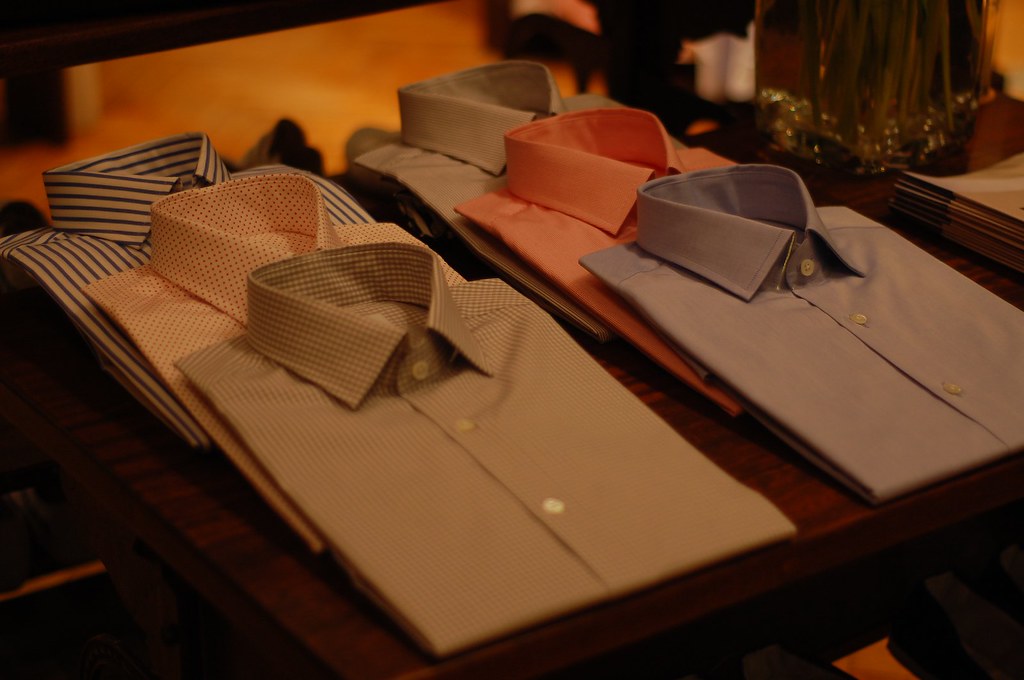 A table of Jack shirts.
SS: You've mentioned being inspired by the 50 and 60s, if you could go back in time to any experience any moment in style is this where you would choose?
Alexia Hentsch: Definitely, the 50s and 60s. It is so popular now because we see it on television and movies. I am obsessed with the art direction and costumes of Mad Men and I'm excited about seeing A Single Man when it comes out. Films like The Thomas Crown Affair are so inspiring, those guys knew how to dress. In terms of my own personal tastes I'd like to go back to the turn of the century when people were incredibly well dressed, they dressed up for the occasion, black tie for dinner, tophats and that kind of thing.
SS: I agree, it is a shame that over the last few decades it seems that men especially have lost the enjoyment of dressing...
Alexia Hentsch: Especially in the sense of dressing up. This is why I like this area because although it might not necessarily fit the brand you see such characters. The older generation and to some extent the younger guys who still dress up. They have canes, bowler hats and this area is so colorful. People often ask why I started a menswear brand and not women's and this is exactly why, the pleasure of a well dressed man. You see well dressed women everywhere and it has become the main feature of the fashion world. if you go to other cultures, for example India, men's attire is so much more elaborate and ornate than women's. What I like about western menswear dress is that the actual dressing is very structured and it hasn't changed to much but what you can change is the little details. Even if it is the look of today with jeans and sneakers, make them good sneakers with good jeans..but I do hark back to a more dressed up era.
Alexia Hentsch: Definitely, the 50s and 60s. It is so popular now because we see it on television and movies. I am obsessed with the art direction and costumes of Mad Men and I'm excited about seeing A Single Man when it comes out. Films like The Thomas Crown Affair are so inspiring, those guys knew how to dress. In terms of my own personal tastes I'd like to go back to the turn of the century when people were incredibly well dressed, they dressed up for the occasion, black tie for dinner, tophats and that kind of thing.
SS: I agree, it is a shame that over the last few decades it seems that men especially have lost the enjoyment of dressing...
Alexia Hentsch: Especially in the sense of dressing up. This is why I like this area because although it might not necessarily fit the brand you see such characters. The older generation and to some extent the younger guys who still dress up. They have canes, bowler hats and this area is so colorful. People often ask why I started a menswear brand and not women's and this is exactly why, the pleasure of a well dressed man. You see well dressed women everywhere and it has become the main feature of the fashion world. if you go to other cultures, for example India, men's attire is so much more elaborate and ornate than women's. What I like about western menswear dress is that the actual dressing is very structured and it hasn't changed to much but what you can change is the little details. Even if it is the look of today with jeans and sneakers, make them good sneakers with good jeans..but I do hark back to a more dressed up era.
 A felt trilby which comes from a collaboration with a Parisian based miliner, Le cerise sur le chapeau.
SS: Is there an item of clothing or accessory that you'd like to see more men wear?
Alexia Hentsch: Jackets..good blazers, all the time. Hats as well. A good hat is a lot of fun but you just don't see it anymore. For us though, the hats have done spectacularly well. I guess they are brightly coloured so stick out to people but it is great to see.
SS: What are you current favourite pieces in store?
Alexia Hentsch: I think I will always like the white Jack shirt a little more than the rest but I love our trousers. The cut is really nice, tapered and long, reminiscent of the 60s really and they look really great.
Alexia Hentsch: Jackets..good blazers, all the time. Hats as well. A good hat is a lot of fun but you just don't see it anymore. For us though, the hats have done spectacularly well. I guess they are brightly coloured so stick out to people but it is great to see.
SS: What are you current favourite pieces in store?
Alexia Hentsch: I think I will always like the white Jack shirt a little more than the rest but I love our trousers. The cut is really nice, tapered and long, reminiscent of the 60s really and they look really great.
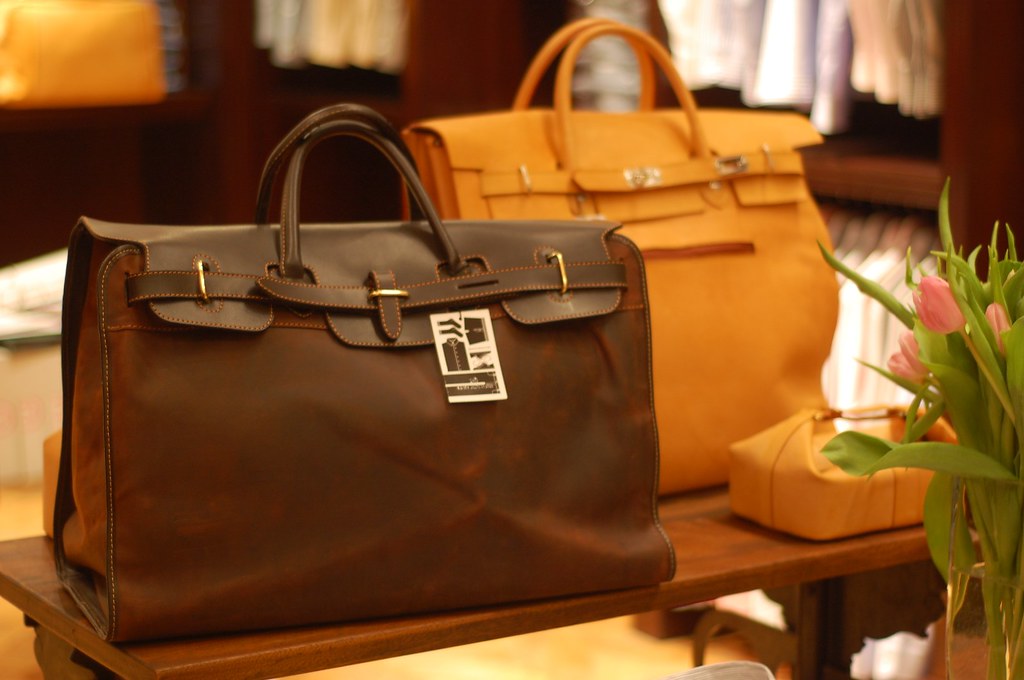 Bags originally inspired by the postman's delivery bags in Argentina are now used as chic weekend bags.
SS: Finally, would you be able to share a few address book recommendation to our readers (hairdressers, tailors, cafes... anything you like really) which we will duly add to our Map.
Alexia Hentsch: I'd say the new APC store definitively. That great bookstore on Lambs Conduit street, Persephone. Oh and that lovely bakery in Bloomsbury, Bea's of Bloomsbury .
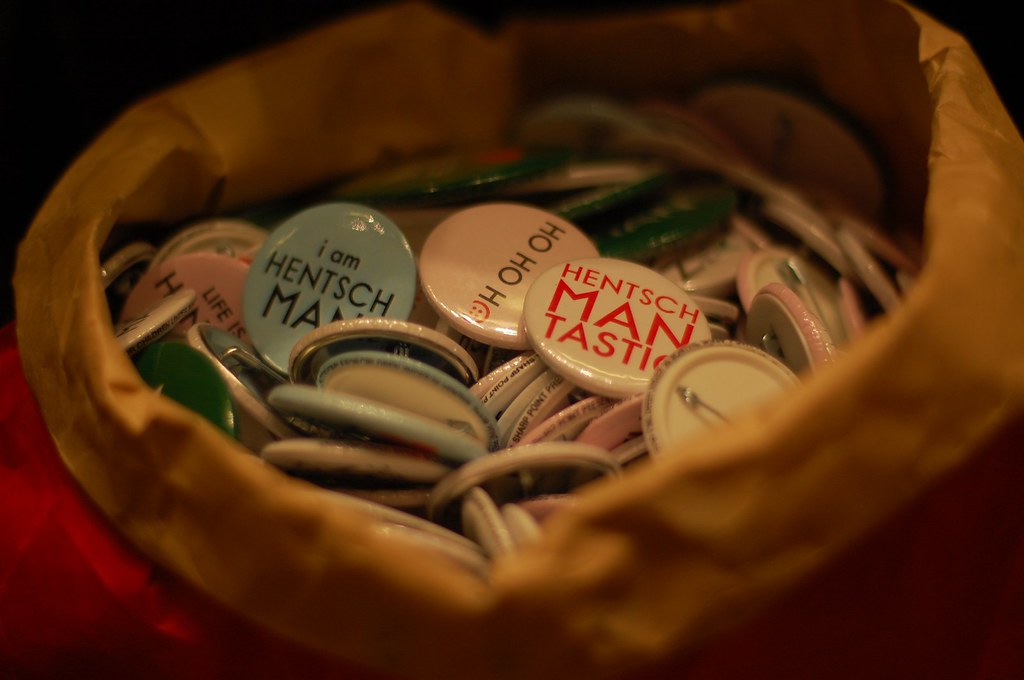 Hentsch Man's latest pop up store in Princes Arcade on Jermyn Street is open until 23rd December.